Urban spaces today are more crowded, connected, and exposed than ever before. As cities expand and public gatherings increase, the risk of vehicle-based threats has also grown. This is where Hostile Vehicle Mitigation (HVM) products play a crucial role. HVM solutions are engineered security systems designed to prevent unauthorized or dangerous vehicle access into sensitive or high-footfall areas.
HVM products
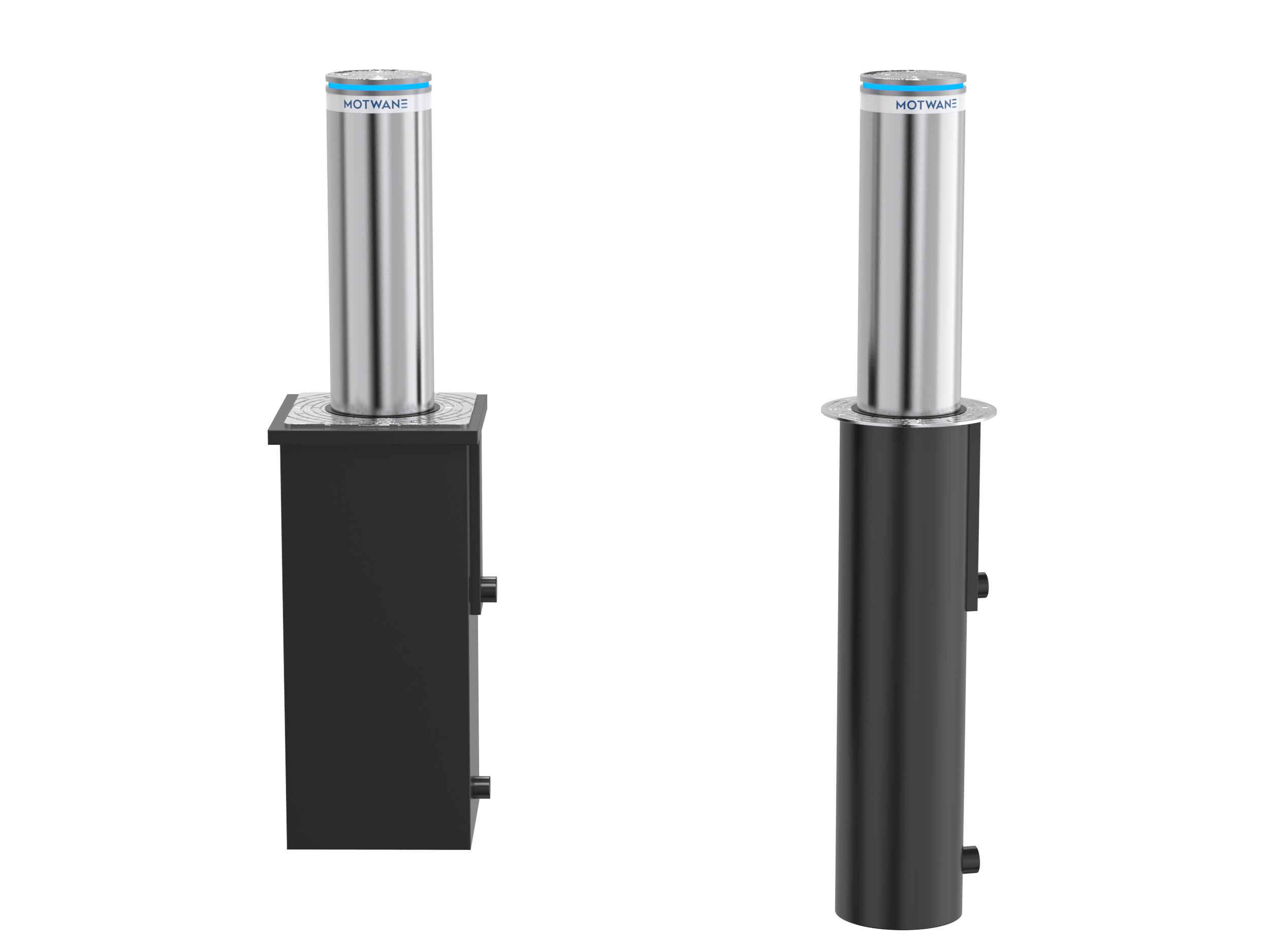
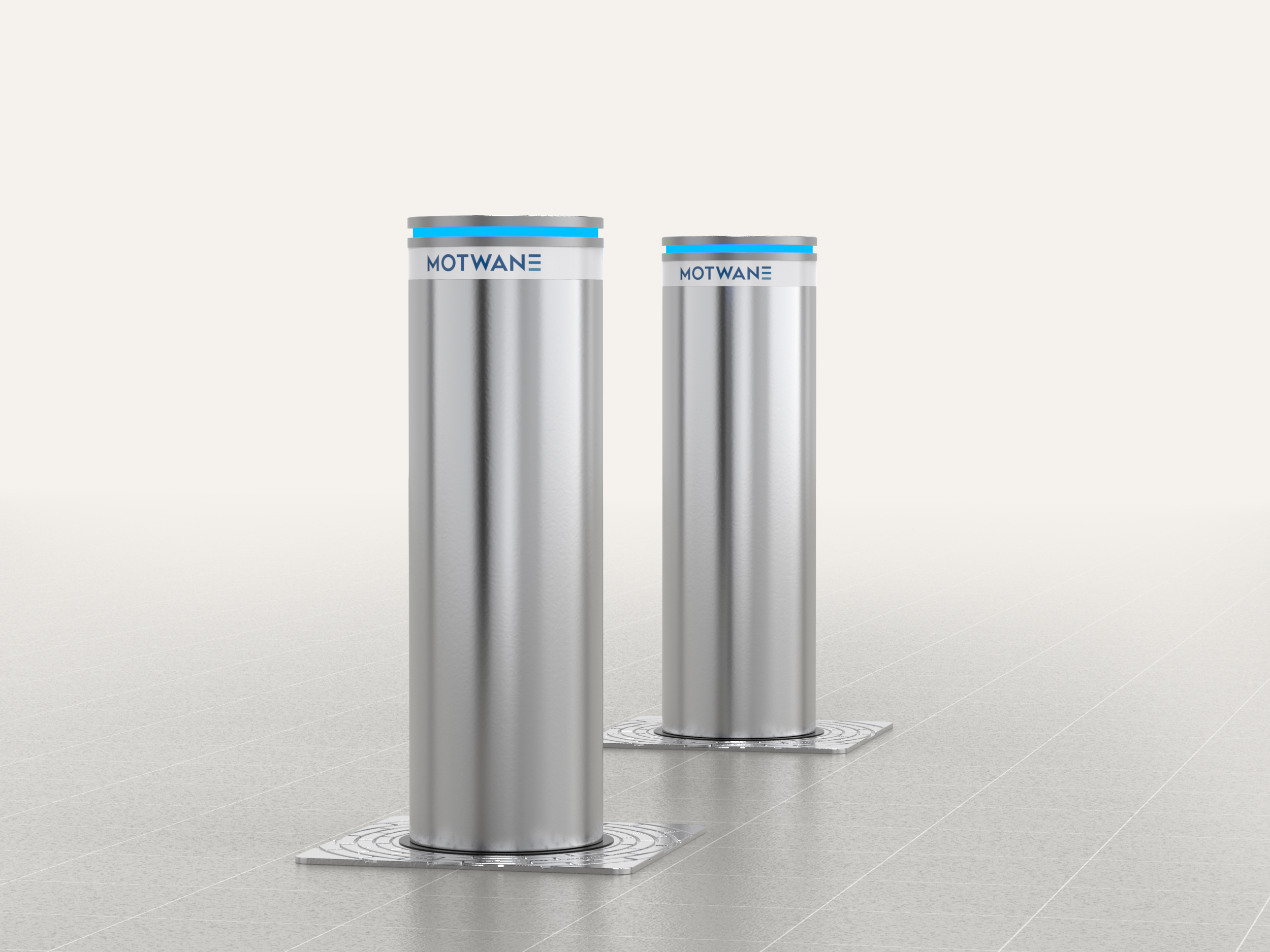
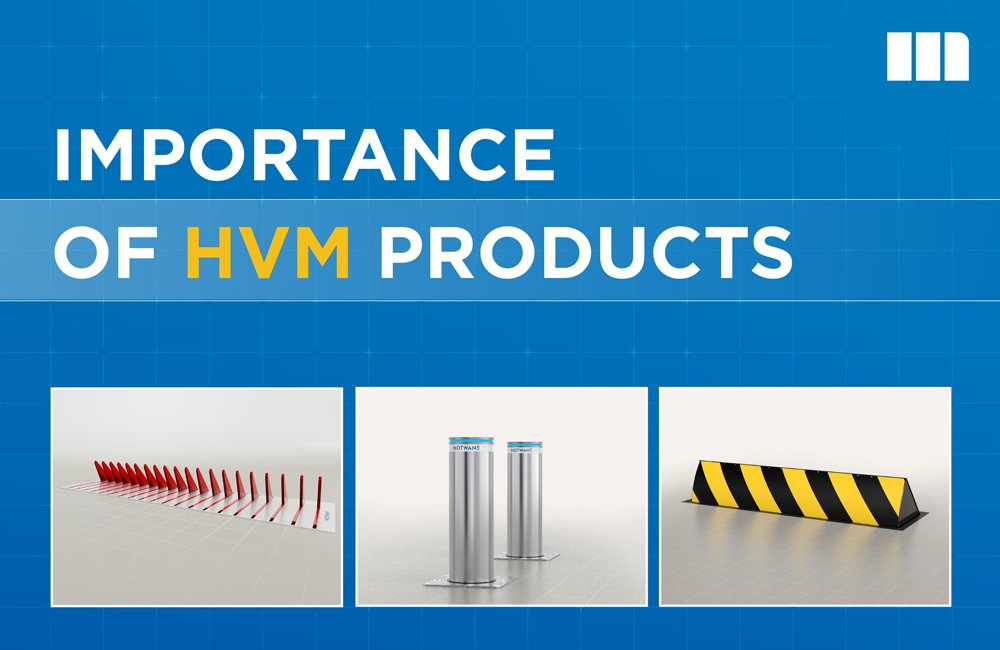
include crash-rated bollards, road blockers, tyre killers, wedge barriers, and reinforced gates. These systems form a strong physical defence layer that stops or slows vehicles before they reach critical zones. Their purpose is not only to prevent intentional attacks but also to avoid accidental vehicle intrusions that can lead to serious injuries, fatalities, and property damage.
One of the biggest reasons HVM products are essential is the shift in modern threat patterns. Vehicles are easily accessible and can cause large-scale damage in seconds. Because of this, security planning is no longer limited to surveillance cameras and guards. Physical perimeter protection has become equally important. Installing HVM systems allows organizations to move from reactive security to preventive security.
Beyond protection, HVM solutions also help manage controlled vehicle entry. Offices, airports, industrial plants, data centres, and government facilities rely on these systems to regulate access while maintaining operational efficiency. Modern HVM designs are also aesthetically adaptable. They can be integrated into landscaping, street furniture, and architectural elements so that safety does not disrupt the visual appeal of public spaces.
Case Study Example
A real incident shared by Times Now highlights how vehicles can quickly become a major threat in public areas. Watch (click here) This example reinforces the importance of installing preventive vehicle security systems before an incident occurs.
HVM products are no longer optional additions to security planning. They are a fundamental requirement for protecting people, infrastructure, and public spaces. Investing in strong vehicle mitigation measures today ensures safer environments for tomorrow.