CLIENTELE
























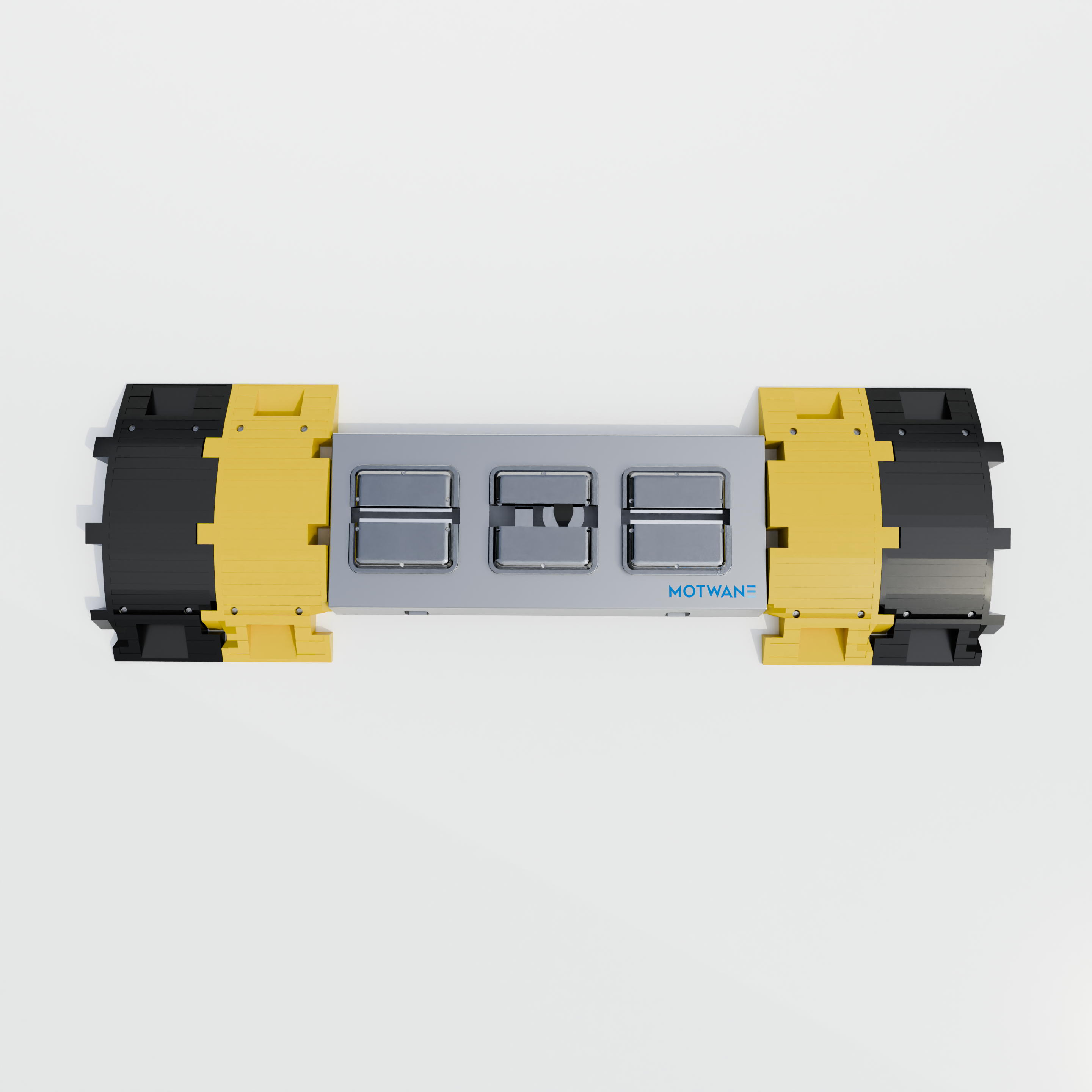
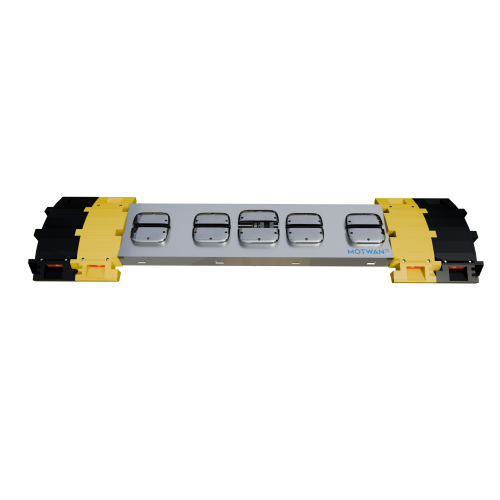
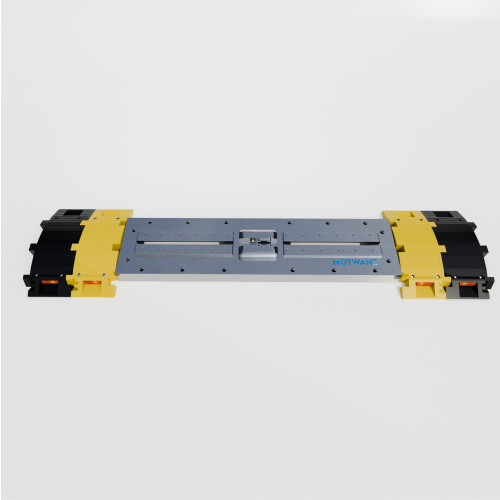
Metal Detector systems are essential security solutions designed to detect concealed metallic objects with high accuracy. Using advanced electromagnetic technology, a Metal Detector identifies weapons, prohibited items, and other metallic threats in real time. Widely used in airports, offices, schools, government facilities, and public venues, Metal Detectors enhance safety while ensuring smooth access control. Available as handheld and walk-through models, they deliver reliable performance for modern security screening applications.
Metal Detector systems are essential security solutions designed to detect concealed metallic objects with high accuracy. Using advanced electromagnetic technology, a Metal Detector identifies weapons, prohibited items, and other metallic threats in real time. Widely used in airports, offices, schools, government facilities, and public venues, Metal Detectors enhance safety while ensuring smooth access control. Available as handheld and walk-through models, they deliver reliable performance for modern security screening applications.

Discover Motwane’s Product Offerings By Downloading The Brochure
Complete The Form, We Will Connect With You
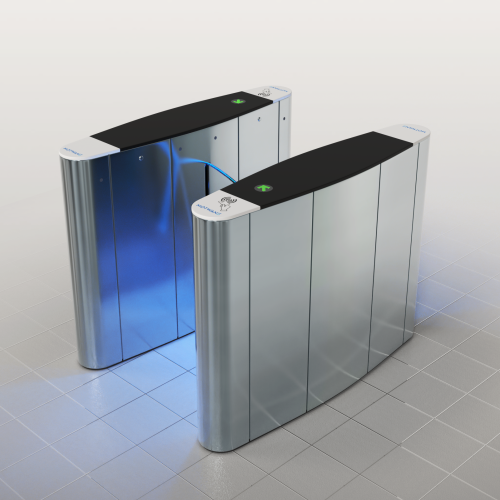
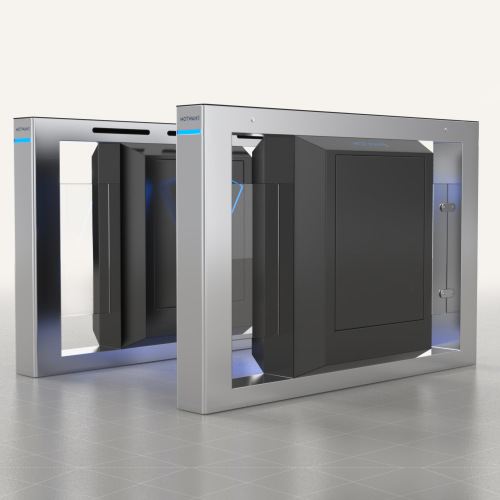
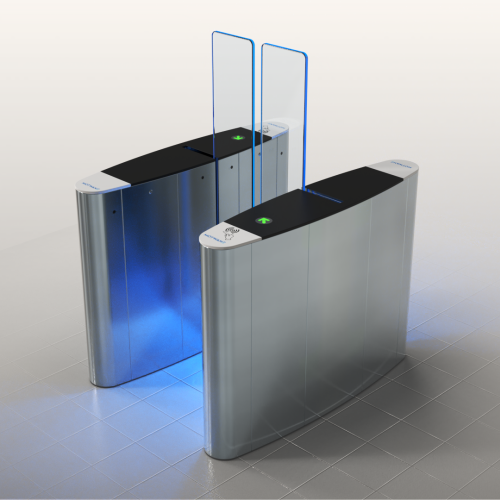
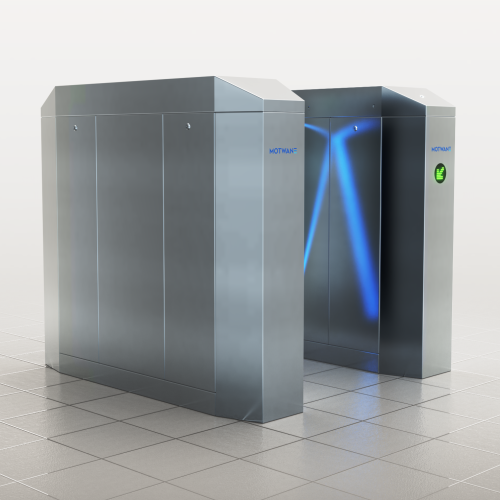
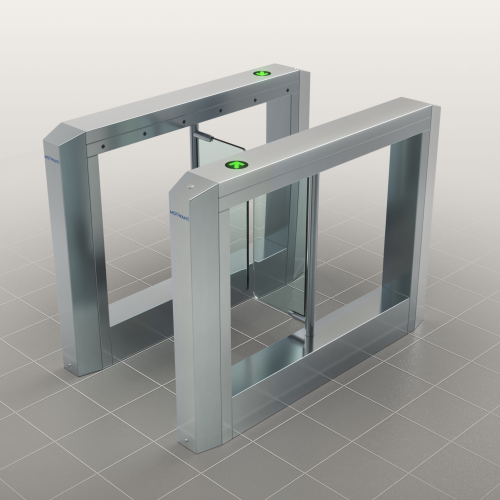
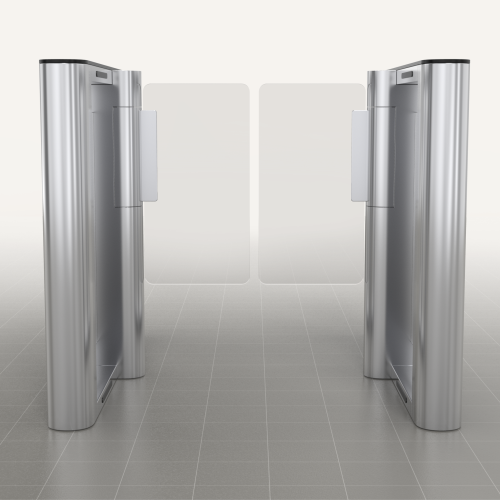
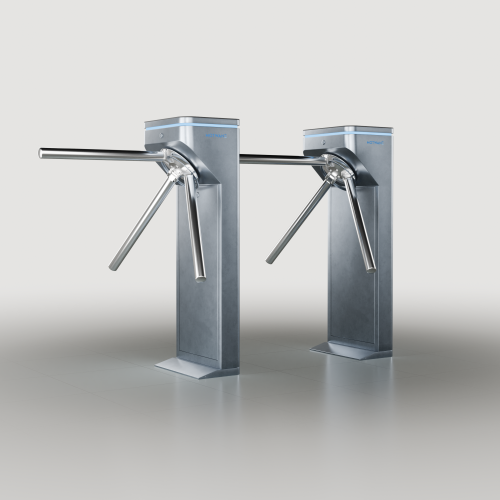

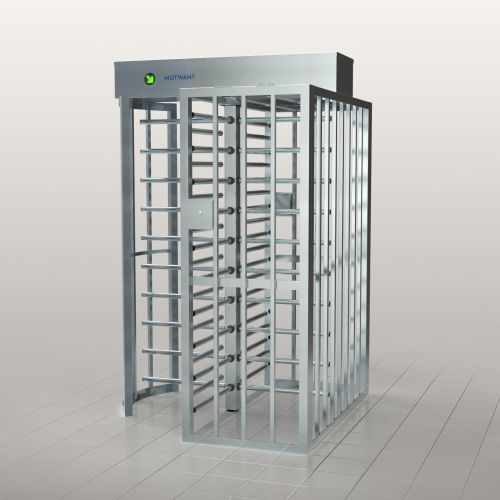
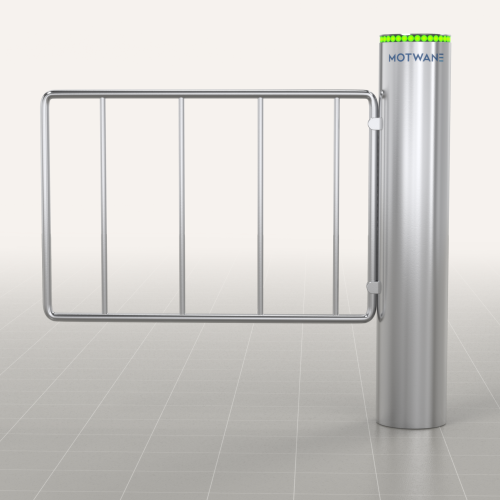
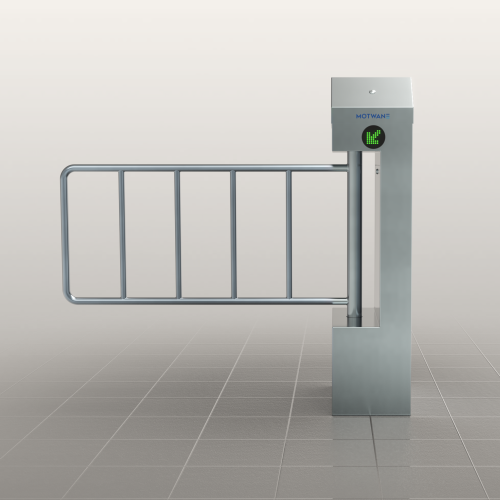
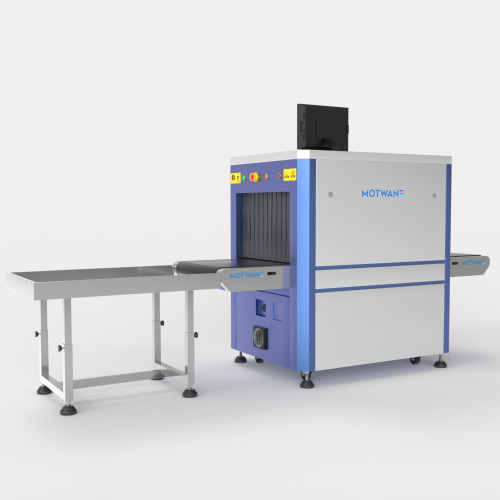
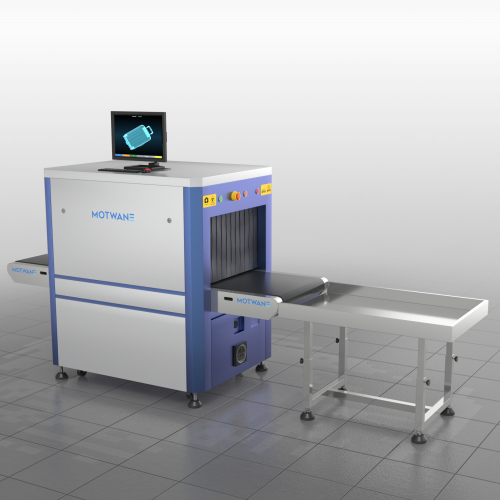
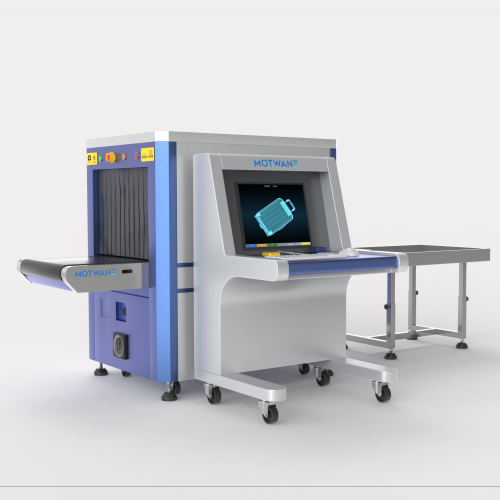
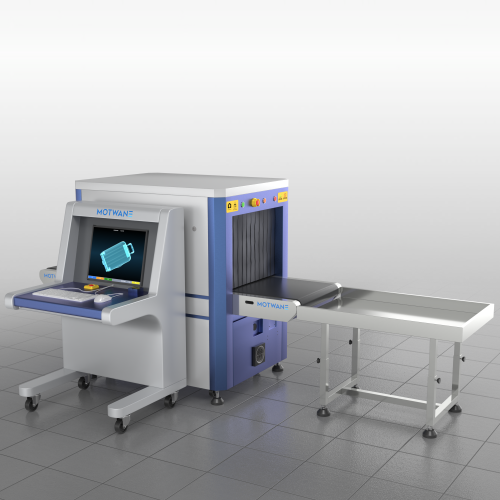
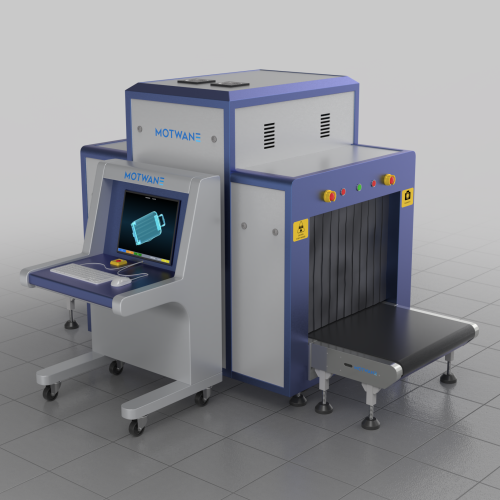
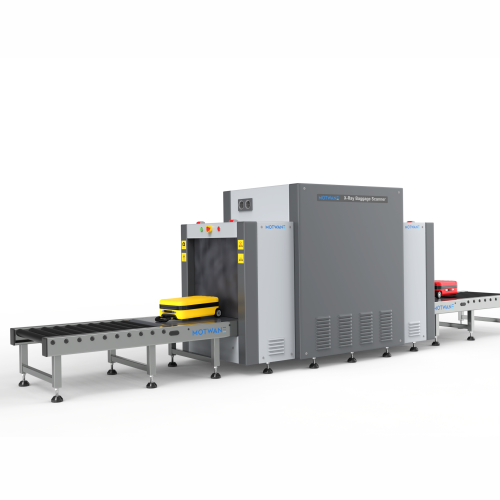
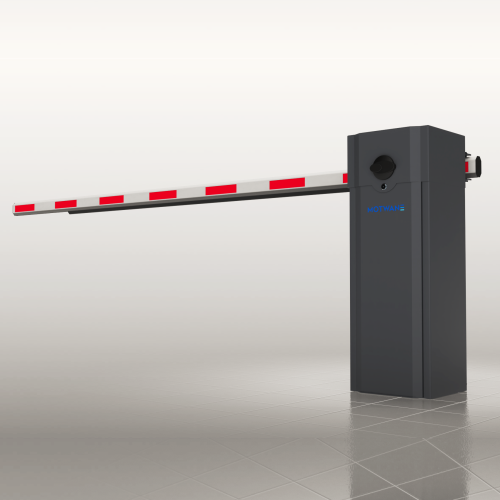
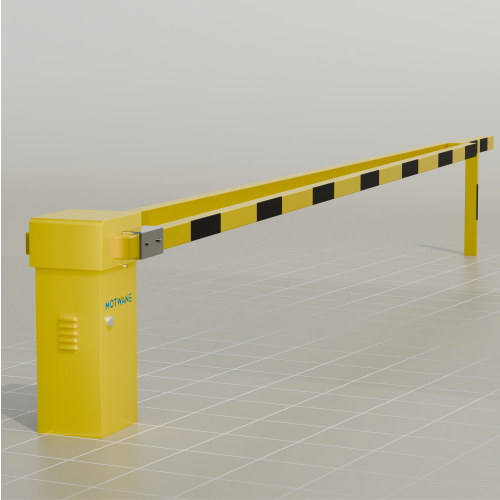
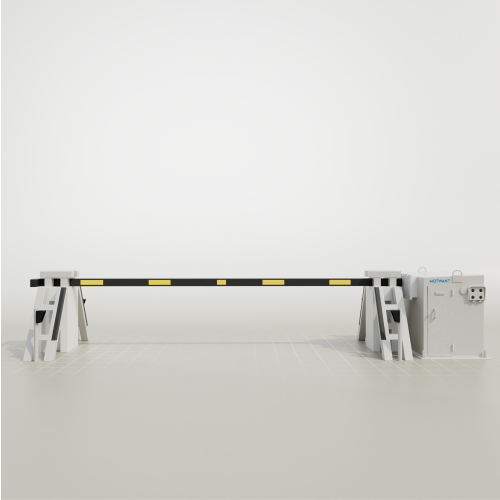
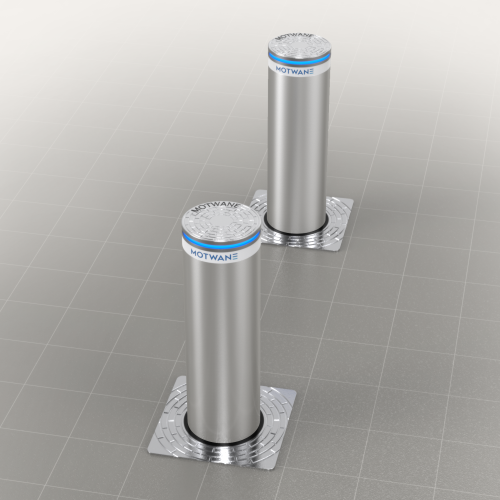
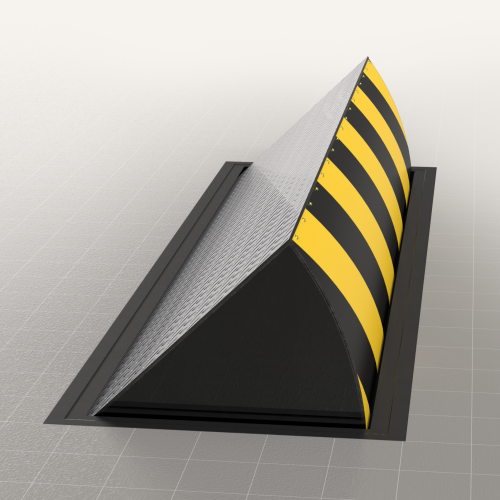
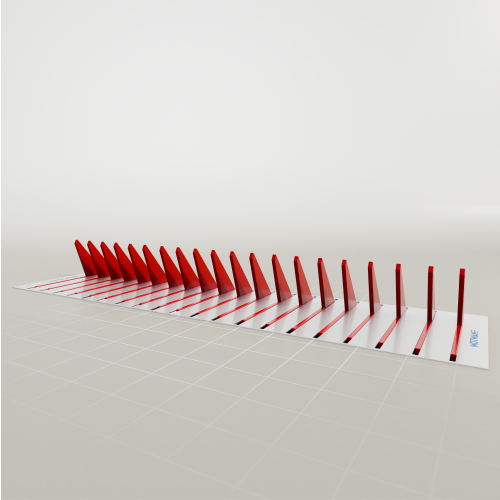
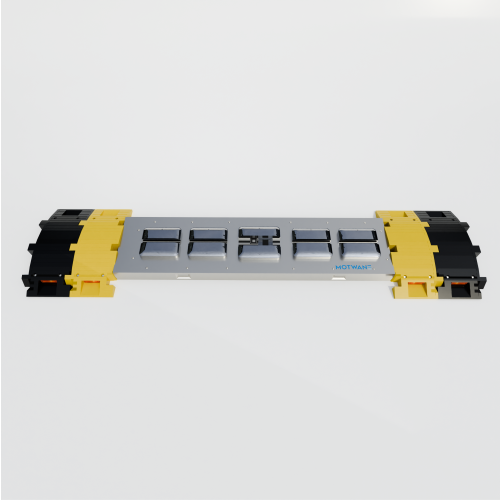
are designed in multiple formats to suit different security, industrial, and exploration needs. Each type of metal detector machines offers unique features, detection sensitivity, and operational capabilities.
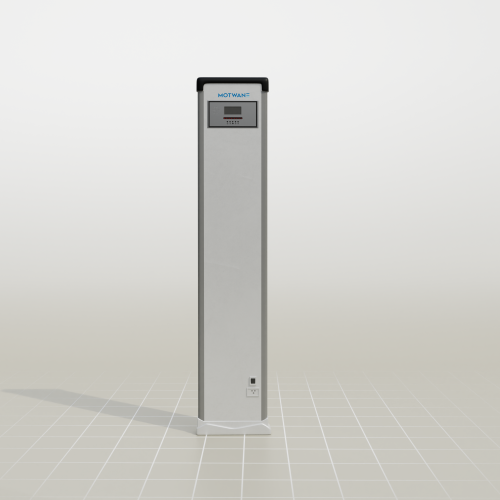
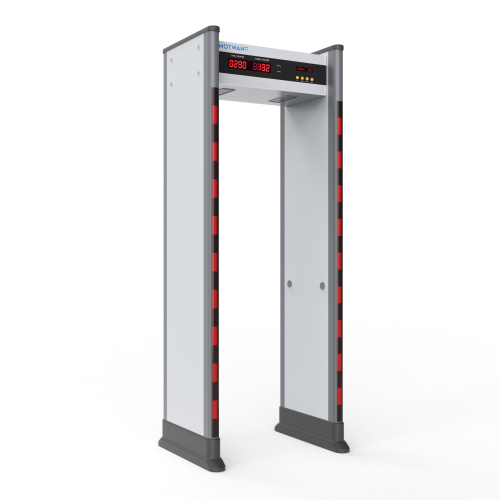
Walk-through metal detector machines are commonly used at airports, offices, malls, and public venues. They screen large numbers of people quickly and detect concealed metallic objects while maintaining smooth pedestrian flow.
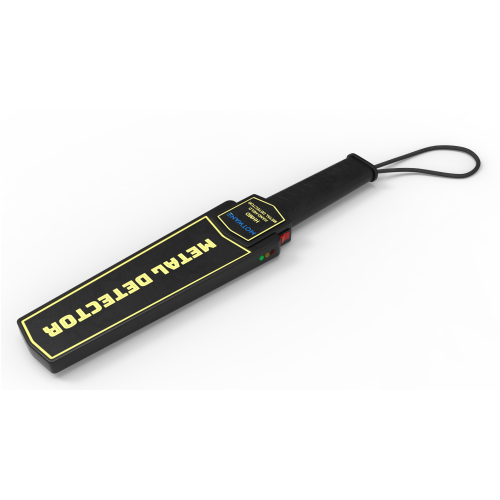
Handheld metal detector machines are compact devices used for secondary screening. Security personnel use them to precisely locate metal objects on a person after an initial check.
Ground search metal detector machines are used in treasure hunting, archaeology, and construction surveys. These devices can detect metals buried underground at varying depths.
Industrial metal detector machines are installed in manufacturing and food processing units. They identify metal contamination in products to maintain safety and quality standards.
Under-vehicle metal detector machines are designed for high-security zones to inspect vehicles and detect hidden threats beneath them.
By offering varied sensitivity, detection range, and mobility, metal detector machines can be tailored for security screening, industrial inspection, and exploration tasks.
Metal detector machines are electronic security and inspection devices designed to detect the presence of metallic objects within a specific range. These systems are widely used in security checkpoints, industrial environments, public venues, and research activities to identify concealed or unwanted metal items quickly and accurately.
Metal detector machines operate by generating an electromagnetic field. When a metal object enters this field, the signal changes and the device immediately alerts the operator through sound, light, or display indicators. This fast detection process makes Metal detector machines highly effective for screening people, luggage, vehicles, and products.
Metal detector machines are available in different formats such as walk-through units, handheld scanners, industrial inspection systems, and ground search devices. Their versatility, reliability, and quick response make Metal detector machines an essential solution for improving safety, quality control, and threat detection across various industries.
Metal detectors have a wide range of applications across different fields. In security, they are used at airports, courthouses, and event venues to detect concealed weapons or prohibited metallic items. Additionally, metal detectors assist in construction to locate hidden pipes or cables before digging, and in medical settings, they help locate metallic foreign bodies in the human body.
The price of a metal detector can vary significantly based on its features, brand, and intended useMid-range detectors, which offer enhanced capabilities such as better sensitivity and target discrimination, generally range from Rs 80,000 – 90,000. For professional-grade metal detectors used in security, archaeology, or industrial applications, prices can exceed Rs 1Lac and may reach up to 3 lacs or more, depending on the advanced technology and functionalities included.
When selecting metal detection equipment, it’s essential to consider various factors to find the right fit for your needs. For enthusiasts and professionals alike, top-rated metal detectors often stand out for their reliability and performance. Among the top 10 metal detectors, you’ll find options that cater to different applications, from casual treasure hunting to specialized industrial use. The best professional metal detector typically offers advanced features such as enhanced sensitivity and depth detection. For those seeking ease of use and portability, a lightweight metal detector can be a great choice. Additionally, for specific industrial applications, choosing a metal detector for industrial use ensures robust performance and durability in challenging environments. When searching for the best brand metal detector, it’s important to consider both reputation and performance. Opting for a high-quality metal detector ensures reliable results and durability, making your investment worthwhile. To find these top brands, you can consult metal detector dealers – MOTWANE who offer a range of reputable models and can provide expert recommendations based on your specific needs.
Yes, the cost of metal detectors varies significantly across different models. Factors influencing the price include the detector’s features, technology, and intended use. Basic models designed for casual users or beginners are generally more affordable, ranging from Rs 1 lac – to 2 lacs. Mid-range models, which offer enhanced features like improved sensitivity and target discrimination, typically cost between 3 lacs – 4 lacs. High-end models, built for professional use and equipped with advanced technology such as ground balancing and waterproofing, can range from 5 lacs – 6 lacs or more. Each model’s price reflects its capabilities and intended application.
When selecting the
for specific purposes, it’s important to consider several key features based on your intended use:
Security metal detectors are essential tools used to detect concealed metal objects, commonly employed at places like airports, stadiums, and government facilities. all metal detector play a critical role in identifying weapons such as firearms and knives, enhancing safety in public spaces. There are two main types: handheld scanners, which are used for detailed inspections of individuals or objects, and walk-through detectors, which allow for a quick scan of people as they pass through. These devices provide a fast, reliable method for identifying metallic threats, ensuring secure environments without invasive procedures. The metal detector device used by security guards helps ensure safety by detecting concealed weapons, while the metal detector scanner machine provides an advanced solution.
There are several types of metal detectors, each suited for different applications:
VLF (Very Low Frequency) Metal Detectors: These are the most common type, known for their sensitivity and ability to distinguish between different types of metal. They are often used in hobbyist treasure hunting and archaeological exploration.
PI (Pulse Induction) Metal Detectors: These detectors are capable of deep detection and perform well in highly mineralized soil or underwater environments. They are used in professional settings and are ideal for locating metal objects buried deep underground.
BFO (Beat Frequency Oscillation) Metal Detectors: An older technology, BFO detectors are generally less advanced but are simpler and more affordable. They are suitable for basic metal detection tasks.
Walk-Through Metal Detectors: Commonly used in security settings, these large detectors allow individuals to pass through while being screened for metal objects. They are often found at airports, government buildings, and event venues.
Handheld Metal Detectors: These portable devices are used for detailed inspection of individuals or objects. They are commonly employed for security checks at entrances to various locations.
Underwater Metal Detectors: Designed to operate in wet conditions, these detectors are fully waterproof and are used by divers and treasure hunters to search submerged areas like lakes, rivers, and oceans.
Industrial Metal Detectors: Used in manufacturing and food processing (types of metal detectors in food industry), these detectors identify metal contaminants in products or machinery, ensuring quality and safety in production environments.
Each type of metal detector range is designed to address specific needs and environments, making it essential to choose one based on the intended application.
These detectors use advanced technology and higher-powered search coils to extend their detection range, allowing them to find items that are deeply buried underground. They are particularly useful in treasure hunting, archaeological exploration, and geological surveys where locating objects at significant depths is necessary. Deep-seeking metal detectors often feature enhanced sensitivity, advanced ground balance controls, and larger search coils to improve their effectiveness in challenging conditions.

WhatsApp us
To download file, please fill the form below.
To download file, please fill the form below.
To download file, please fill the form below.
To download file, please fill the form below.
To download file, please fill the form below.
To download file, please fill the form below.
To download file, please fill the form below.
To download file, please fill the form below.
To download file, please fill the form below.
To download file, please fill the form below.
To download file, please fill the form below.
To download file, please fill the form below.
To download file, please fill the form below.
To download file, please fill the form below.
To download file, please fill the form below.
To download file, please fill the form below.
To download file, please fill the form below.
To download file, please fill the form below.
To download file, please fill the form below.
To download file, please fill the form below.
To download file, please fill the form below.
To download file, please fill the form below.
To download file, please fill the form below.
To download file, please fill the form below.
To download file, please fill the form below.
To download file, please fill the form below.
To download file, please fill the form below.
To download file, please fill the form below.
To download file, please fill the form below.
To download file, please fill the form below.
To download file, please fill the form below.
To download file, please fill the form below.
To download file, please fill the form below.
To download file, please fill the form below.
To download file, please fill the form below.
To download file, please fill the form below.
To download file, please fill the form below.
To download file, please fill the form below.
To download file, please fill the form below.